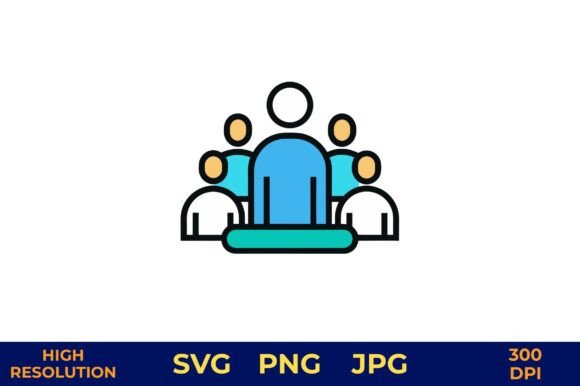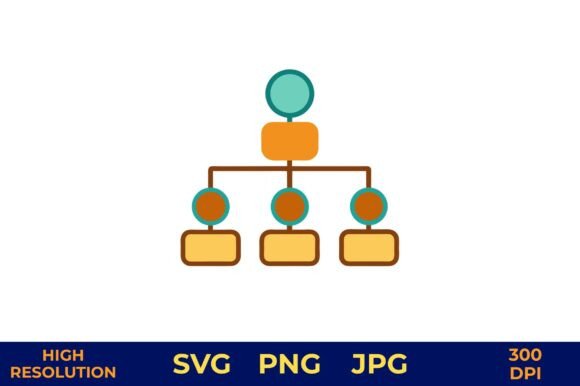
Flat Vector Org Chart with Three Levels
Clarity is the cornerstone of effective business communication, and nothing disrupts a professional presentation faster than a cluttered or confusing organizational diagram. In the fast-paced world of corporate strategy and team management, visual hierarchy must be immediate and intuitive. This is where a Flat Vector Org Chart with Three Levels becomes an indispensable asset for designers and business leaders alike. By stripping away unnecessary 3D effects and shadows, flat design ensures that the focus remains squarely on the structure of your team, making complex relationships easy to digest at a glance.
From a graphic design perspective, the shift toward minimalism is not just a trend; it is a functional necessity for modern branding. When you utilize a hierarchical organizational chart structure vector illustration, you are prioritizing readability and scalability. These assets are crafted to maintain crisp edges and perfect proportions regardless of size, whether displayed on a massive conference room screen or printed on a small business card. The versatility of such a design allows it to integrate seamlessly into various brand identities without clashing with existing color palettes or typography choices.
Enhancing Visual Communication in Business Management
The primary role of any organizational chart is to define roles and reporting lines clearly. A three-level structure is particularly effective for small to medium-sized enterprises or specific departmental breakdowns within larger corporations. It provides enough depth to show management tiers without overwhelming the viewer with excessive detail. By using a high-quality SVG, PNG, or JPG format with transparent backgrounds, designers can overlay these charts onto branded backgrounds, ensuring that the visual design aligns perfectly with the company’s overall aesthetic.
Moreover, the technical specifications of these digital products play a crucial role in their usability. With a resolution of 4200px by 4200px pixels at 300 dpi, the file quality supports both digital and print applications. This high resolution ensures that when you decide to print your own materials, the text and lines remain sharp and professional. There is no pixelation or blurriness, which is often a pitfall of lower-quality stock images. This level of precision is essential for maintaining a premium look in all creative projects.
Practical Applications Across Creative Projects
While traditionally used for internal corporate documents, the utility of a well-designed org chart extends far beyond the boardroom. Designers and marketers can repurpose these structural elements for a variety of creative applications. The clean lines and balanced composition make them suitable for:
- Social Media Graphics: Create engaging posts that highlight team growth or introduce new leadership members with a polished, professional look.
- Print Design: Use the structure for wedding seating charts, table numbers, or event menus where hierarchical grouping is necessary.
- Branding Materials: Incorporate the layout into brochures, annual reports, or investor pitch decks to demonstrate organizational stability.
- Merchandise and Decor: Apply the design to mugs, posters, pillows, or t-shirts for corporate events, team-building retreats, or office decor.
- Digital Products: Include as part of printable kits, planners, or scrapbooking albums for users who value structured, aesthetic layouts.
For photographers and florists, these templates can even serve as unique branding tools, showcasing service tiers or package structures in a visually appealing way. The key is to leverage the transparent background feature, which allows for effortless integration into diverse design workflows. Whether you are working on UI design for a corporate app or editorial design for a company newsletter, the adaptability of this vector illustration saves time and enhances the final output.
Tips for Effective Implementation
To maximize the impact of your Flat Vector Org Chart with Three Levels, consider the following design principles. First, ensure consistency with your brand identity. Adjust the colors of the chart nodes to match your primary and secondary brand colors. This subtle customization reinforces brand recognition and creates a cohesive visual experience. Second, pay attention to typography. Choose fonts that are legible and complement the flat design aesthetic—sans-serif fonts often work best for modern, clean looks.
Finally, respect white space. Do not overcrowd the chart with excessive text. Let the hierarchical structure speak for itself, using concise titles and names. By focusing on clarity and visual balance, you transform a simple diagram into a powerful tool for communication. Investing in high-quality, versatile design assets like this not only streamlines your design workflow but also elevates the perceived value of your brand. In a digital landscape saturated with noise, clean, professional, and well-structured visuals stand out, fostering trust and engagement with your audience.