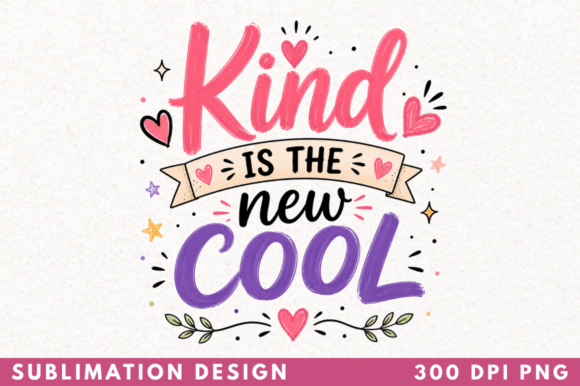
Kind is the New Cool Positive T-shirt PN: A Practical Guide for Creators
In the crowded world of print-on-demand and custom apparel, finding a design that resonates emotionally while maintaining technical quality can be a challenge. The Kind is the New Cool Positive T-shirt PN represents more than just a graphic; it is a statement piece designed to bridge the gap between aesthetic appeal and meaningful messaging. For creators, small business owners, and hobbyists, this digital asset offers a streamlined path to producing high-quality merchandise. However, simply downloading a file does not guarantee a successful product. Many beginners overlook critical details regarding file usage, material compatibility, and color management, leading to wasted resources and disappointed customers.
Understanding the Value of High-Resolution Sublimation Designs
Before diving into common pitfalls, it is essential to understand what makes this specific PNG file valuable. Unlike standard clip art, this design is crafted specifically for sublimation printing. It comes with a transparent background, which is crucial for seamless integration onto various products without unsightly white boxes or jagged edges. The phrase "Kind is the New Cool" taps into a growing cultural shift toward positivity and empathy, making it highly marketable across demographics. Whether you are creating t-shirts, mugs, tote bags, or phone cases, the versatility of this design allows for broad application. Yet, the ease of access via instant digital download often leads users to skip necessary preparation steps.
Mistake 1: Ignoring Material Compatibility
One of the most frequent errors creators make is assuming that a sublimation-ready design will work on any fabric or surface. Sublimation ink bonds chemically with polyester fibers or polymer-coated items. If you attempt to sublimate this design onto 100% cotton t-shirts or uncoated ceramic mugs, the result will be faint, washed-out, and prone to washing out after a single cycle. This misunderstanding stems from a lack of knowledge about the printing process rather than the design itself.
The Better Approach: Always verify your substrate before printing. For apparel, aim for blends with at least 65% polyester content for vibrant results. For hard goods like mugs and tumblers, ensure they have a specialized polymer coating designed for sublimation. If you must use cotton, consider using heat transfer vinyl (HTV) methods instead, though this requires different file preparation. By matching the Kind is the New Cool Positive T-shirt PN to the correct material, you ensure durability and customer satisfaction.
Mistake 2: Neglecting Color Profile and Monitor Calibration
Digital designs look vibrant on screen, but screens emit light while prints reflect it. A common frustration among new crafters is receiving a print that looks dull or shifted in hue compared to the preview image. This discrepancy often occurs because monitors are not calibrated, and users fail to account for the difference between RGB (screen) and CMYK (print) color spaces. While sublimation printers often handle RGB files well, the final output can still vary based on printer settings and paper quality.
The Better Approach: Perform a test print on a small scrap piece of your intended material. Check the colors under natural lighting, not just artificial store lights. Adjust your printer’s color settings if necessary, and keep in mind that darker fabrics may require a white underbase or a different printing technique entirely, as sublimation cannot print white ink. Understanding these limitations helps manage expectations and reduces waste.
Mistake 3: Overlooking Resolution and Scaling Issues
Although this design is described as high-resolution, resizing it incorrectly can lead to pixelation or blurriness. Beginners often drag and drop images into design software like Canva or Cricut Design Space without locking the aspect ratio or checking the DPI (dots per inch). Printing a low-resolution image results in a professional-looking product turning into an amateurish mistake. Conversely, scaling up too much can stretch the design, distorting the text and graphics.
The Better Approach: Always check the dimensions of the PNG file before importing it into your software. Ensure that the resolution remains at least 300 DPI at the size you intend to print. Use software that supports precise scaling, such as Photoshop or Silhouette Studio, to maintain clarity. If you are unsure, print a small section first to verify sharpness. This step is crucial for maintaining the professional touch that customers expect from trendy, positive messaging apparel.
Mistake 4: Failing to Read Licensing and Usage Terms
Many creators assume that purchasing a digital download grants them unlimited rights to resell the design as-is or claim it as their own creation. This is a dangerous misconception. Most digital assets, including this T-shirt sublimation design, come with specific licensing terms. Typically, you are allowed to use the design on physical products you create and sell, but you cannot redistribute the digital file itself or use it in logo design for other businesses. Violating these terms can lead to legal issues and account suspensions on platforms like Etsy or Amazon Merch.
The Better Approach: Carefully read the license agreement included with your download. If the terms are unclear, contact the seller for clarification. Respect intellectual property rights by using the design only as intended—for creating physical goods. This ethical approach builds trust with your customers and protects your business reputation. Remember, the value lies in your craftsmanship and marketing, not just the raw digital file.
Maximizing Versatility Beyond T-Shirts
While the name suggests a focus on t-shirts, the Kind is the New Cool Positive T-shirt PN is incredibly versatile. Limiting its use to apparel is a missed opportunity. Consider applying this design to tote bags for eco-conscious shoppers, pillows for home decor enthusiasts, or even greeting cards for those who appreciate heartfelt messages. Each product category has different requirements for placement and sizing. For example, a design centered on a t-shirt might need to be adjusted for a curved mug surface to avoid distortion.
Practical Tip: Create mockups for each product type before listing them in your store. Use tools like Placeit or smart objects in Photoshop to visualize how the design interacts with the product’s shape and texture. This not only helps in marketing but also allows you to spot potential alignment issues early in the process.
Final Checks Before You Print
Before committing to a large batch, take a moment to review your workflow. Ensure your printer heads are clean, your heat press is calibrated to the correct temperature and time, and your protective paper is fresh. These small operational details can significantly impact the final quality. Additionally, consider the packaging and presentation of your final product. A well-printed shirt delivered in a crumpled bag can negate the positive message of the design.
By avoiding these common mistakes and adopting a meticulous approach, you can leverage the Kind is the New Cool Positive T-shirt PN to create products that are not only visually appealing but also durable and meaningful. This design offers a fantastic opportunity to spread positivity, but its success depends on your attention to detail and respect for the crafting process. Embrace the learning curve, test thoroughly, and let your creativity shine through responsible and informed production practices.